Scaling climate-resilient seed systems
Building farmer resilience in Kenya’s drylands.
Tegemeo Cereals supports smallholder farmers with drought-tolerant seeds, quality farm inputs, practical training, and scalable last-mile delivery for semi-arid communities.
- 12,000+
- Farmers reached
- Multiple
- Dryland counties
- CSA
- Training focus

SorghumDrought-tolerant cereal for dryland food security.
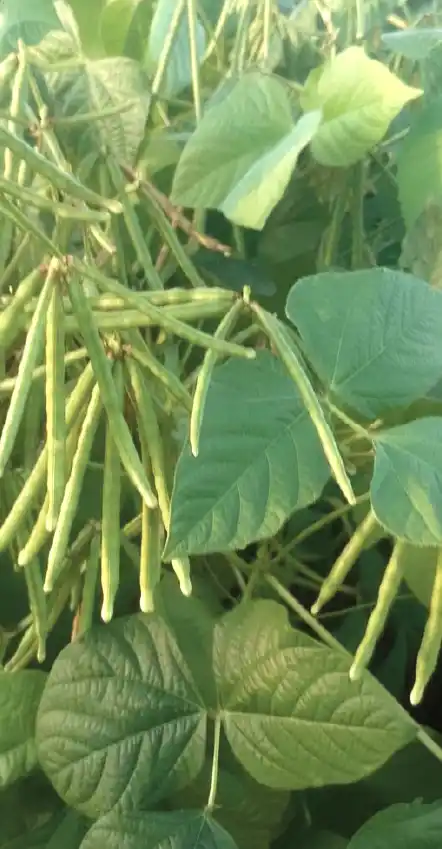
CowpeasNutritious legume crop for resilient farming systems.
Green gramsMarketable pulse crop suited to semi-arid communities.

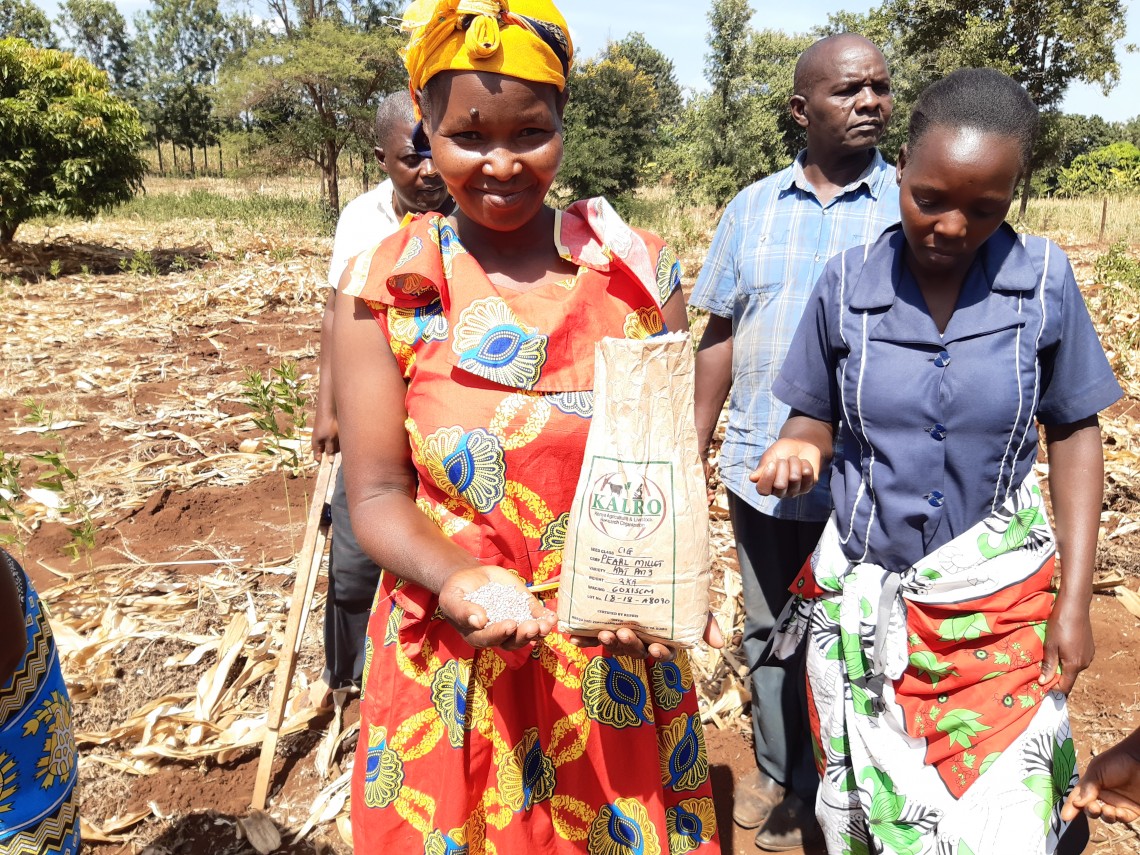
Pearl milletResilient millet for nutrition and climate adaptation.
Drought-tolerant crops
Sorghum • Cowpeas • Green grams • Pearl millet
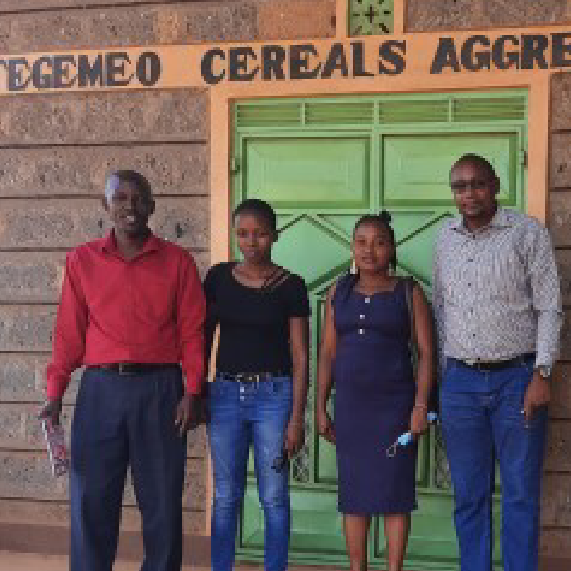
Tegemeo Cereals
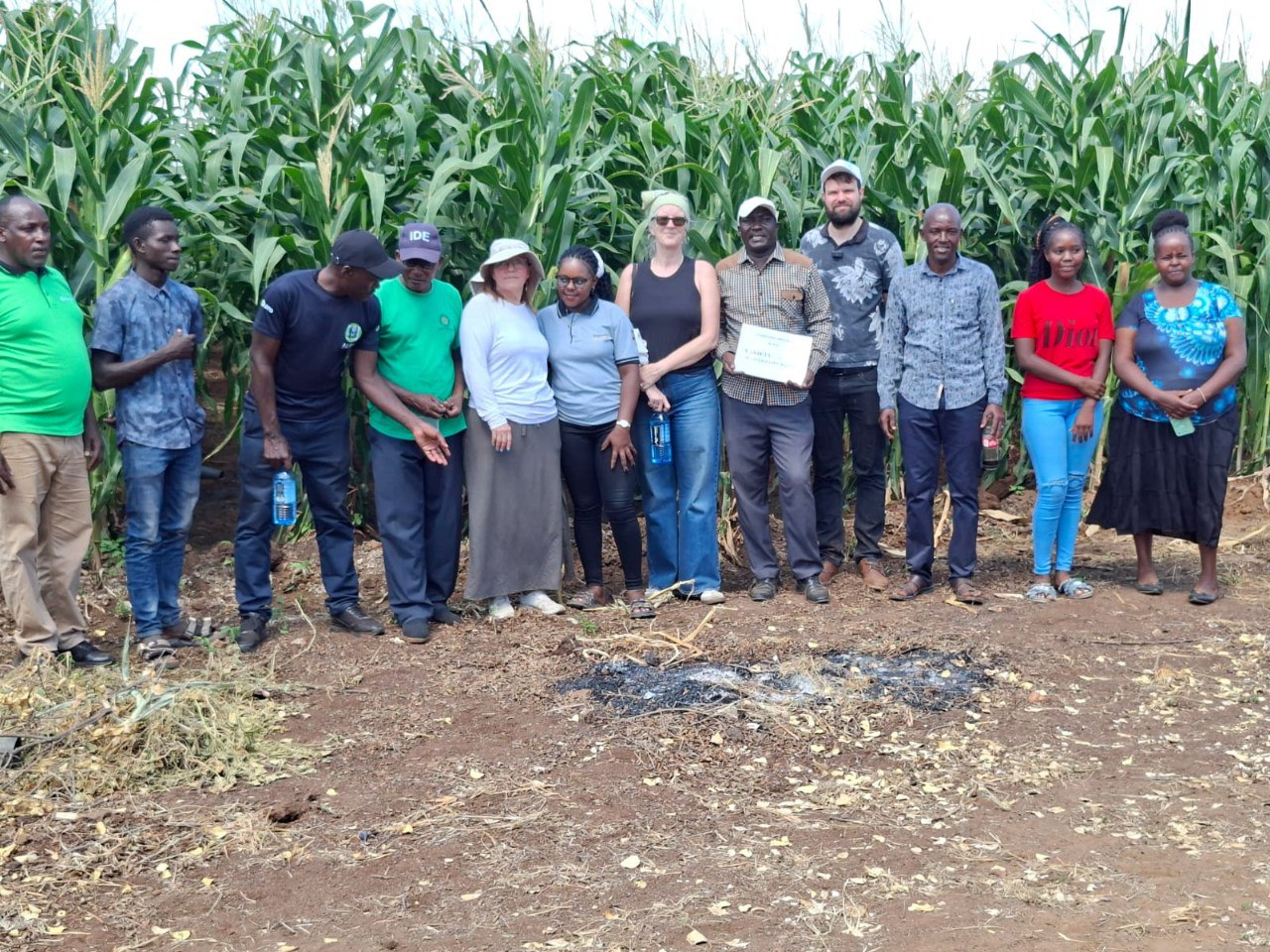
Cultivate training helps cereal enterprise thrive.
For seven years, Peter Mutegi, director of Tegemeo Cereals Limited in Tharaka Nithi, struggled to manage his venture. Due to limited business skills, personal finances were sometimes mixed with business resources, making accountability difficult.
“At the beginning, we were receiving both cash and mobile money and there were many times when the cash would be lost without trace,” recounted Mr Mutegi. Revenue from seeds, agrochemicals, and other commodities was also not separated clearly enough to understand which lines were profitable.
The situation was untenable for a large agribusiness working with 12,000 farmers in Tharaka Nithi and Makueni Counties to grow and aggregate sorghum, green grams and millet, and produce, pack and sell seeds.
What We Offer
Responding to the realities facing Kenya’s dryland farmers.
Smallholder farmers in Kenya’s drylands face mounting climate, soil, input, and advisory challenges. Tegemeo Cereals combines resilient varieties, quality inputs, and advisory support to strengthen food security and farmer livelihoods.
Erratic rainfall and prolonged drought
Rainfall increasingly arrives outside historical norms, with shorter wet periods, heavy downpours, localised rainfall, and reduced predictability for planting decisions.
Severe soil degradation
Soil quality and productivity decline when soil health collapses, reducing its ability to function as a living ecosystem and support reliable yields.
Limited access to resilient seeds
Many smallholders cannot easily obtain or afford seed varieties bred to withstand drought, flooding, new pests, and other climate shocks.
Inadequate agronomic advisory services
Farmers often lack timely, localised, and practical knowledge for adapting production to changing weather, pest, and soil conditions.
Integrated approach
From seed access to post-harvest handling.
The model brings together biological resilience, affordable inputs, continuous knowledge transfer, and efficient rural distribution.
Climate-resilient, drought-tolerant seed varieties
Seeds are selected to maintain viable yields with less water through traits such as deeper roots, reduced water loss, shorter growing cycles, and tolerance to dry periods.
Affordable, quality farm inputs
Farmers need genuine, locally suited seeds, fertilizers, and agro-inputs that are economically attainable without creating debilitating debt.
Comprehensive agronomic support
A holistic advisory system provides tailored information, practical guidance, and sustained support across the full farm-management cycle.
Scalable last-mile delivery model
Efficient rural delivery helps move seeds, inputs, and information from central hubs to remote smallholder farmers despite high logistics costs and fragmented demand.
Land preparation
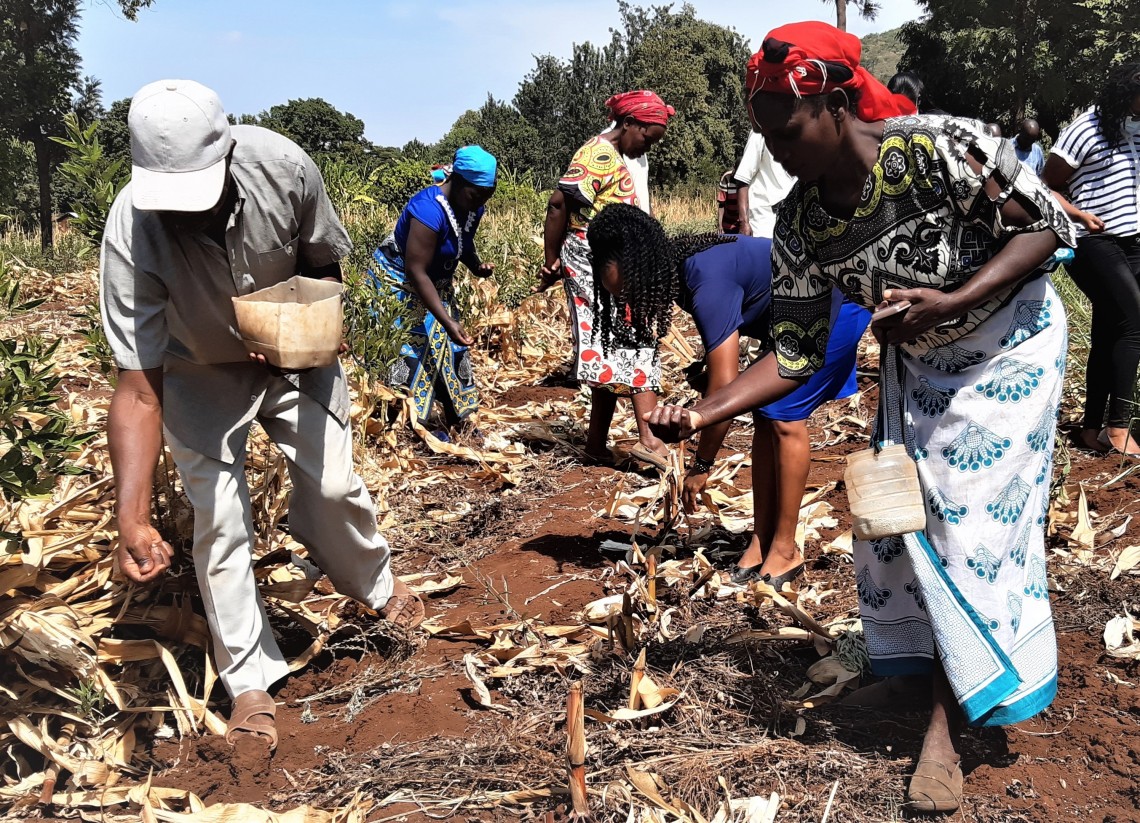
Minimum tillage, crop residue retention, and correct spacing improve yields while helping protect soil health, reduce erosion, and conserve resources.
Safe chemical handling and post-harvest support
Training covers safe storage, use and disposal of chemicals, personal protective equipment, and post-harvest sorting, grading, cleaning, packaging, storage, and transport.
Products & Services
Seed, input, and training solutions tailored for dryland conditions.
Drought-Tolerant Seeds
- Sorghum varieties
- Cowpeas
- Green grams
- Biofortified pearl millet
Organic Inputs
Quality fertilizers and agro-inputs tailored for dryland production systems.
Training Programs
- Climate-Smart Agriculture (CSA)
- Conservation agriculture
- Good Agricultural Practices (GAPs)
- Post-harvest handling
Geographic coverage
Serving Kenya’s dryland and smallholder farming communities.
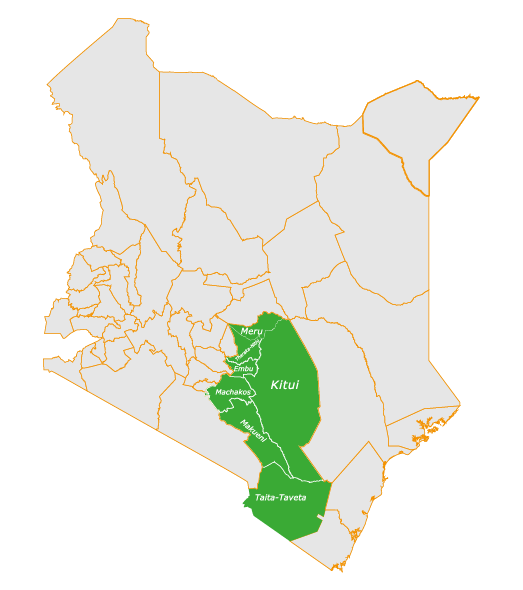
Tegemeo Cereals works across Tharaka Nithi, Kitui, Makueni, Machakos, Meru, Taita Taveta, Bungoma, Busia, Siaya, Kakamega, Homabay, and Elgeyo Marakwet.
Expected climate change bears the potential to greatly harm Kenyan populations living in ASAL areas, making practical resilience solutions increasingly urgent.
Projects Photos–Videos Gallery
Traction and measurable impact.
Field activities and partnerships support food security, income diversification, regenerative practices, and inclusive economic empowerment.
Measurable outcomes
- Enhanced food security and nutritional outcomes via biofortified crops.
- Increased yields and diversified income streams.
- Strong adoption of Climate-Smart Agriculture and regenerative practices.
- Women and youth economic empowerment.
- Reduced environmental degradation and climate risk.
Our Team
Meet the Tegemeo Cereals team.
The WordPress team carousel lists four team members supporting Tegemeo Cereals’ work with farmers, data, finance, and operations.

Peter Mutegi
Managing Director

Purity Gaceri
Data Manager

Timothy Kimathi
Data Manager

Alice Karegi
In charge Finance
Contact
Reach Tegemeo Cereals
Headquarters are in Tharaka Nithi county, Nkondi Ward, Tharaka South Sub-County, Nkondi location, Rukurini.